
As colder seasons arrive, enjoying outdoor spaces can become more challenging, especially when temperatures begin…
Infrared Heating: 10 Things You May Not Know About Heating Lamps
In recent years, the way we heat our spaces has changed significantly. More and more people, companies, and professionals are looking for solutions that combine comfort, efficiency, and refined design, especially when it comes to enhancing outdoor areas such as terraces, patios, gardens, and hospitality spaces. In this context, infrared heating is becoming an increasingly popular and appreciated technology thanks to its ability to combine innovation and practicality.
Despite its growing popularity, many people still know little about how infrared heating lamps work and what their true potential is. Traditional heating systems are often considered the only possible solution, without taking into account alternative technologies designed to meet modern comfort requirements and new ways of using spaces.
Infrared technology is based on a natural principle, similar to the way the sun transfers its heat. Instead of simply warming the surrounding air, it allows energy to be transferred directly to people and surfaces, creating an immediate and pleasant feeling of warmth. This makes heating lamps an extremely interesting solution for both residential environments and professional settings.
Beyond its technological advantages, infrared heating is also becoming an aesthetic choice. Modern heating lamps are no longer just functional devices, but design elements capable of integrating seamlessly into architectural projects and outdoor furnishings. Companies such as Phormalab have developed Made in Italy designer solutions that combine high performance, premium materials, and attention to detail.
In this article, we will discover 10 things you may not know about infrared heating lamps, exploring interesting facts, features, and often overlooked aspects of this technology. A guide designed to help you better understand why more and more people are choosing infrared heating to create comfortable, modern, and enjoyable spaces throughout the year.
How Infrared Heating Technology Was Born and How It Works
Infrared heating technology was developed by observing a natural phenomenon: the way the sun transfers its heat to the Earth. Unlike other heating systems that mainly work by warming the surrounding air, infrared rays transfer energy directly to objects and people within a space, creating an immediate and comfortable feeling of warmth.
The discovery and study of infrared radiation date back to the early 19th century, when scientists began investigating this particular section of the electromagnetic spectrum. Over time, this technology has been developed and refined until it became a practical solution for many applications, from industrial uses to residential and professional heating systems.
The operation of infrared heating lamps is based on a simple principle: a heating element generates infrared waves that travel through space until they reach surfaces and people. When these waves are absorbed, the energy is converted into heat, creating a pleasant thermal sensation without the need to heat the entire volume of air in the environment.
This characteristic makes infrared heating particularly effective for outdoor spaces, where heat generated by traditional systems tends to disperse quickly. Terraces, patios, gardens, and outdoor areas can therefore be heated in a targeted way, concentrating energy only where it is actually needed.
Over time, this technology has been combined with increasingly advanced solutions capable of combining performance and design. Companies such as Phormalab have brought this innovation into the world of architecture and outdoor design by creating Made in Italy infrared heating lamps designed not only to provide thermal comfort but also to enhance the beauty of the surrounding environment.
Infrared Lamps Do Not Heat the Air: The Principle Behind Their Efficiency
One of the most interesting aspects of infrared heating lamps is their unique way of distributing heat. Unlike traditional heating systems, which mainly work by increasing the temperature of the air inside a space, infrared technology acts directly on people, surfaces, and objects by transferring energy in the form of heat.
This principle helps overcome one of the main limitations of conventional heating systems: the dispersion of warm air. In open environments or spaces with large volumes, such as terraces, patios, gardens, or areas with high ceilings, heated air naturally tends to rise and disperse. Infrared heating lamps, on the other hand, focus warmth exactly where it is needed, creating an immediate feeling of comfort in the areas occupied by people.
The operating principle is similar to the way sunlight works. When infrared radiation reaches a surface, it is absorbed and transformed into heat. This means that tables, chairs, walls, and people directly receive thermal energy, helping create a more pleasant environment without unnecessarily heating the surrounding air.
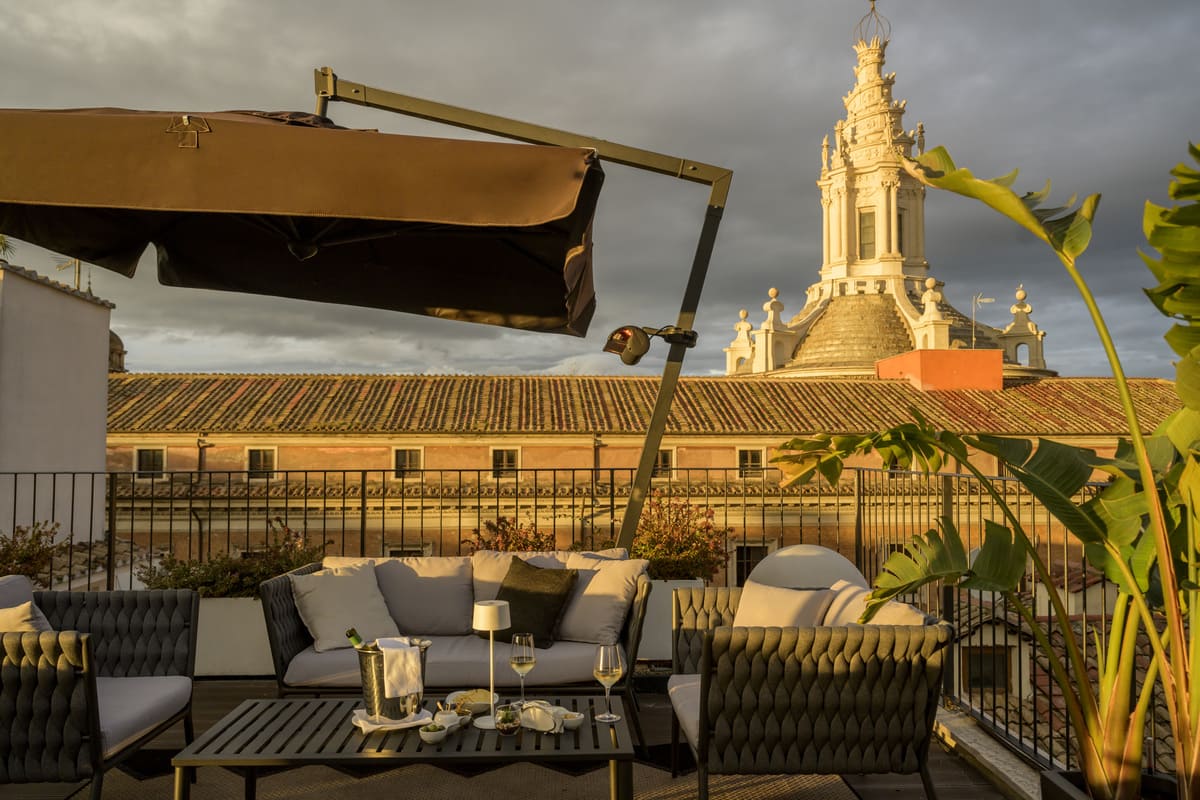
This feature makes infrared heating lamps particularly efficient for outdoor and professional applications. A restaurant with an outdoor patio, a hotel with a panoramic terrace, or a private home with a garden can achieve maximum thermal comfort by concentrating heating only in the areas that are actually being used.
The efficiency of infrared technology is also combined with the possibility of managing heat in a personalized way. Through power adjustment systems, it is possible to adapt heating intensity according to weather conditions and specific needs at any given time.
Infrared Heating Lamps: Advantages and Lesser-Known Features
Infrared heating lamps are a technology increasingly used for both indoor and outdoor heating, yet they still have several lesser-known features that make them a particularly interesting solution. In addition to their ability to generate fast and targeted heat, these lamps offer a range of benefits that set them apart from more traditional heating systems.
One of the least known advantages is their rapid operation. Infrared heating lamps reach the desired level of warmth in a very short time, without long waiting periods. This allows them to be used only when needed, adapting to specific requirements and improving comfort management in different environments.
Another important feature is their ability to heat specific areas. Since there is no need to bring the entire space to the desired temperature, infrared lamps are particularly effective in situations where only certain areas are being used, such as tables in a restaurant patio, relaxation areas in a hotel, or outdoor corners of a private home. This approach allows for smarter and more efficient energy use.
Among the lesser-known benefits is also their installation flexibility. Heating lamps can be mounted on walls, ceilings, or installed on freestanding supports, adapting to different architectural and design requirements. This versatility makes it possible to integrate the heating system without affecting the layout of the space or compromising its aesthetics.
Modern infrared heating lamps are also designed to combine technology and style. Solutions such as those created by Phormalab transform heating into an aesthetic element, thanks to refined shapes, high-quality materials, and Made in Italy craftsmanship.
Another distinctive feature is the ability to customize temperature management through power control systems, including smart devices. This makes it possible to create the ideal level of comfort for every situation.
Where Infrared Heating Lamps Are Used: Homes, Venues, and Outdoor Spaces
Infrared heating lamps are an extremely versatile solution that can be used in a wide range of both private and professional environments. In residential settings, infrared heating lamps are an excellent solution for enhancing outdoor areas of the home. They can be installed on terraces, balconies, verandas, and gardens, allowing outdoor spaces to be enjoyed even during colder seasons. They are ideal for creating relaxation areas, outdoor dining spaces, or areas designed for socializing, transforming unused spaces into welcoming environments that can be experienced throughout the year.
In the restaurant and hospitality industry, heating lamps are becoming increasingly popular. Bars, restaurants, and hotels use these solutions to make patios, panoramic terraces, lounge areas, and guest spaces more comfortable. Providing an enjoyable outdoor environment even during colder months helps improve the customer experience and maximize the use of available spaces.
Infrared heating lamps are also particularly suitable for professional outdoor environments such as wellness areas, resorts, hospitality facilities, and event venues. In these settings, heating systems must not only provide effective warmth but also integrate seamlessly with the overall aesthetic concept of the space.
Companies such as Phormalab develop Made in Italy infrared heating lamps designed to adapt to different environments, combining advanced technology, high-quality materials, and refined aesthetics. Models available in various configurations, including wall-mounted, ceiling-mounted, or freestanding installations, allow customized solutions to be created based on the characteristics of each space.
From private homes to large-scale outdoor projects, infrared heating lamps represent a modern choice for those looking to combine thermal comfort, efficiency, and design, making every environment more welcoming and enjoyable in any season.
Related Posts


 WhatsApp