
For bars, restaurants, and venues with outdoor areas, patios represent a valuable opportunity to offer…

Outdoor design trends 2026: the role of heating in luxury experiences
The design of outdoor spaces is undergoing a profound transformation. In 2026, hotel, restaurant, and luxury venue outdoor areas will no longer be simple seasonal spaces, but true experiential environments designed to be enjoyed all year round.
The main trend is clear: outdoor spaces are becoming a natural extension of interiors. Comfort, aesthetics, and functionality must coexist without compromise. In this context, outdoor heating plays a central role. It is no longer just about “heating a space,” but about creating atmosphere. Heat becomes an integral part of the architectural design and the customer experience. For this reason, traditional solutions are giving way to more advanced, discreet, and design-oriented systems.
Infrared heating is currently one of the most widely used technologies in the luxury sector. It provides immediate, targeted heat without dispersion. This means greater efficiency and a comfort level that guests perceive instantly.
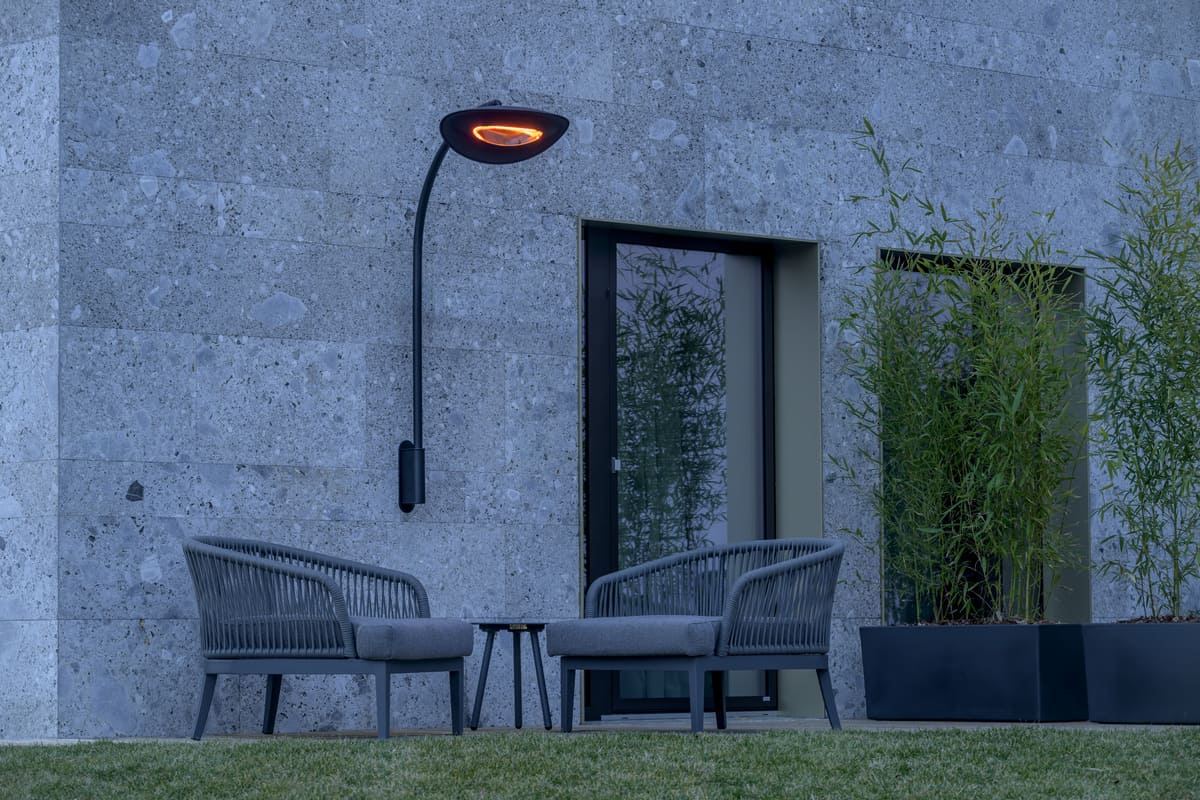
Phormalab, an Italian company specialized in design infrared lamps, perfectly interprets this evolution. Its solutions are not just technical tools, but true furnishing elements that integrate into outdoor spaces without disrupting their aesthetic balance.
In 2026, the value of a venue will not be determined solely by the quality of its indoor service, but also by its ability to offer comfortable outdoor experiences in every season. Terraces, rooftops, and outdoor areas thus become strategic assets for increasing capacity and revenue. Heating also plays a key role in customer perception. A well-heated outdoor environment encourages guests to stay longer, improving the overall experience and loyalty.
New trends focus on minimal, integrated, and intelligent solutions capable of adapting to different architectural contexts without visually invading the space. In this scenario, heating is no longer a technical accessory, but a fundamental design element for creating luxury-level outdoor experiences.
How outdoor design is transforming luxury hotels and restaurants in 2026
In 2026, outdoor design is becoming one of the most important elements in the luxury hospitality sector. Hotels, restaurants, and lounge bars no longer consider outdoor spaces as secondary areas, but as true extensions of the indoor experience. This shift stems from a new need: to offer usable environments all year round. Customers are no longer looking only for good service, but for a complete, comfortable, and consistent experience in every detail—even outdoors.
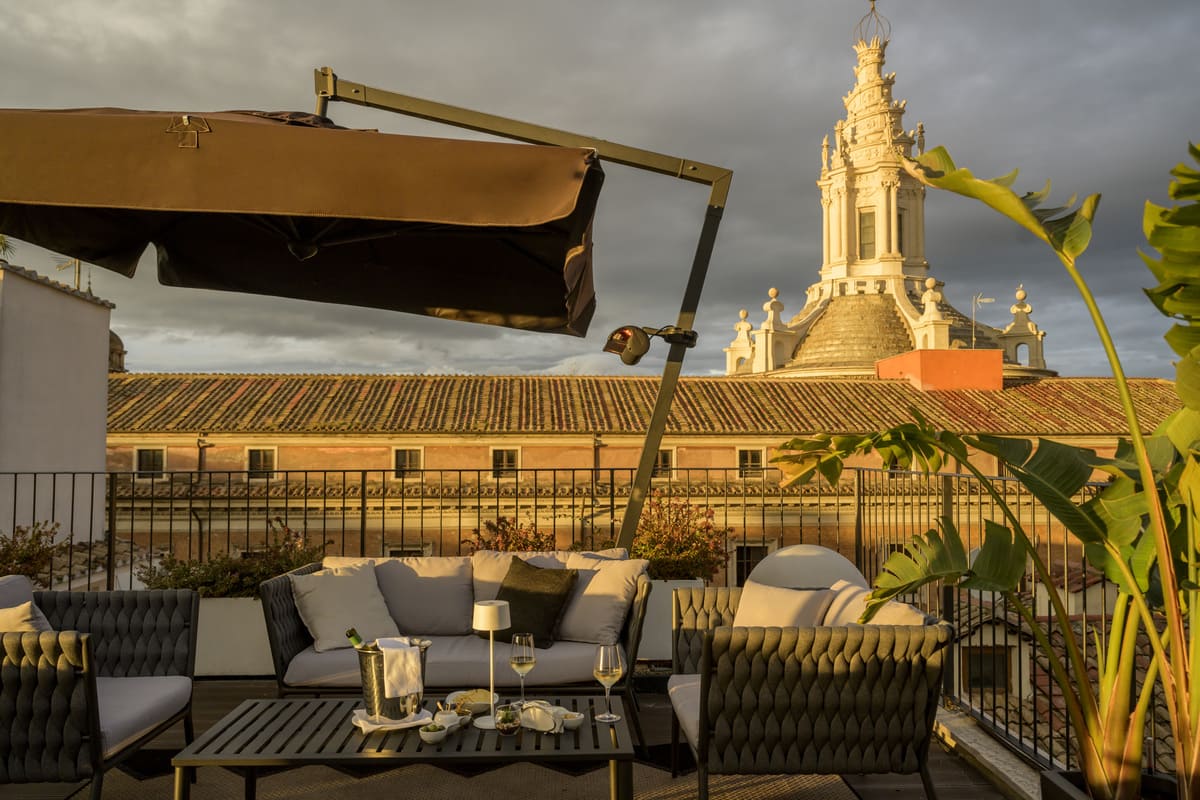
Terraces, rooftops, and outdoor areas are therefore becoming strategic spaces. They must be functional, elegant, and above all welcoming in every season. Outdoor design is no longer just about furnishings, but also about thermal comfort management. Outdoor heating plays a central role in this transformation. It is no longer a technical element to be hidden, but a component integrated into the architectural design. Modern solutions focus on discreet, minimal, high-performance devices.
Among these, infrared heating is currently the most widely used technology in the premium segment. It allows immediate, targeted heat to be created without dispersion and without intrusive visual impact. This makes it perfect for environments where aesthetics are essential. Phormalab, an Italian company specializing in design infrared lamps, interprets this evolution with solutions designed to integrate seamlessly into luxury outdoor spaces. Its lamps are not just functional tools, but true design elements that enhance the environment.
Outdoor spaces are no longer an optional extension. They have become a central element in luxury sector design, where every detail contributes to defining the value of the experience.
From functionality to aesthetics: the advantages of infrared lamps
Infrared lamps are changing the way outdoor heating is conceived. They are no longer seen only as functional tools, but as true elements integrated into the design of spaces. One of their main advantages is the ability to combine efficiency and comfort. Heat is transmitted directly to people and objects, without warming the surrounding air. This means an immediate feeling of warmth, even in open or semi-open spaces.
Compared to traditional systems, infrared lamps reduce energy dispersion. The heat is targeted, and no energy is wasted on heating unused air volumes. This allows for smarter energy management, especially in venues with large outdoor areas.
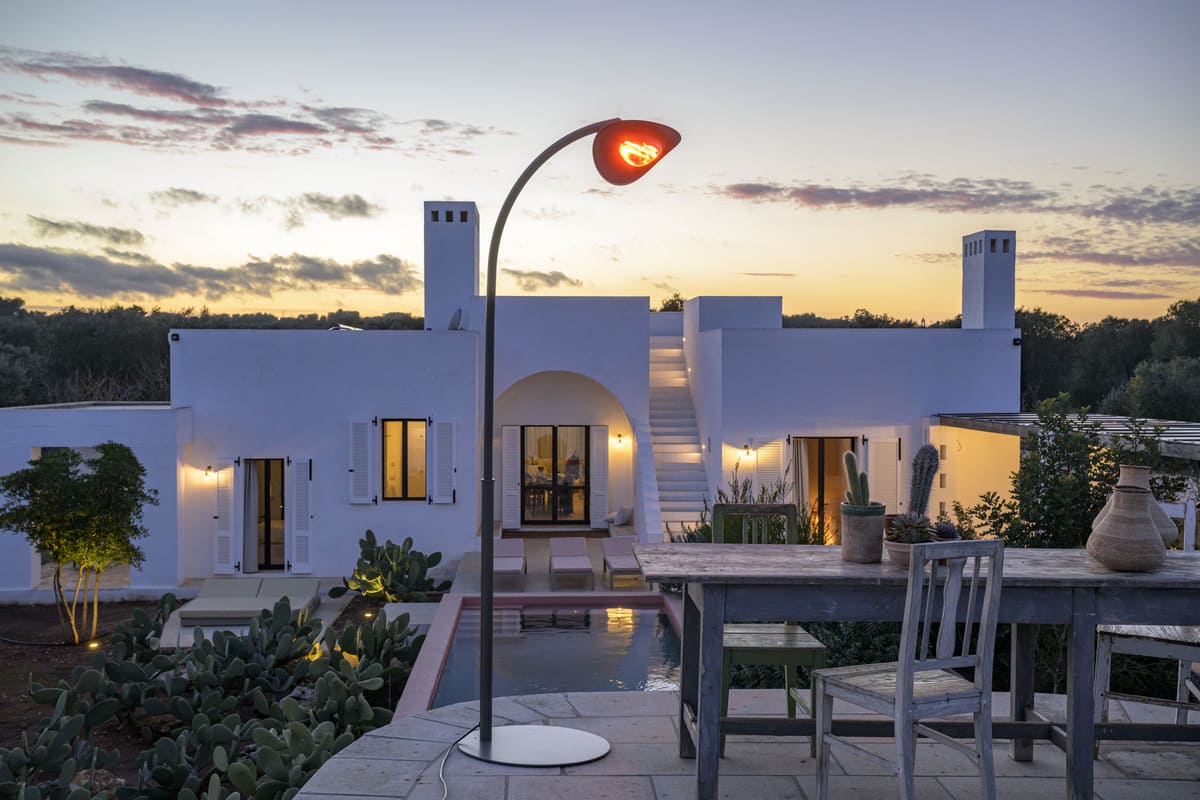
Another important advantage is versatility. Infrared lamps can be installed on walls, ceilings, or independent structures. This makes them suitable for different architectural contexts, from small outdoor seating areas to large rooftops.
From an aesthetic perspective, modern solutions are increasingly minimalist. The clean lines and high-quality materials of our infrared lamps allow them to integrate perfectly into the environment without creating visual clutter. In many cases, they become discreet, almost invisible elements, yet essential for comfort.
Safety is another strong point. There are no open flames or fuels to manage. This makes them suitable for public and high-traffic spaces, where safety is an absolute priority. Moreover, infrared lamps do not produce odors and do not generate direct emissions into the environment. This helps maintain cleaner air and a more pleasant customer experience.
The shift from functionality to aesthetics is clear. Today, heating is no longer just a technical necessity, but an integral part of the design project. It must ensure comfort while also respecting the visual identity of the space. For this reason, infrared lamps are increasingly becoming a strategic choice in the hospitality and outdoor architecture sectors.
Heating as a key element of new outdoor experiences
In recent years, outdoor heating has become a central element in the design of outdoor spaces. It is no longer just about ensuring a comfortable temperature, but about creating true experiences for guests.
In the hospitality sector, especially in hotels, restaurants, and luxury venues, outdoor areas are now an integral part of the service. A well-designed outdoor space can increase venue capacity and improve overall brand perception. Thermal comfort is one of the most important factors in this context. If an outdoor space is cold, customers tend to stay for less time. On the contrary, a warm and welcoming environment encourages longer stays and improves the overall experience.
Heating therefore becomes a strategic tool. Not only functional, but also experiential. With the right solutions, it is possible to create pleasant atmospheres even during the coldest seasons, transforming terraces and outdoor areas into spaces usable all year round.
Modern technologies allow increasingly precise heat control. It is possible to heat only the areas occupied by customers, reducing waste and improving energy efficiency. This approach is particularly important in venues with large outdoor spaces. Another key aspect is aesthetic discretion. New heating solutions are designed to integrate into the environment without altering its design. Clean lines, minimal shapes, and versatile installations help maintain the visual harmony of the space.
Safety also plays an important role. Infrared electric systems, for example, eliminate the need for open flames or fuels, making environments safer for both guests and staff. Heating also contributes to atmosphere building. A warm light and uniform heat improve spatial perception and make the experience more welcoming and refined.
In this way, heating is no longer a simple technical support, but becomes a fundamental part of the design project and the outdoor experience, directly influencing service quality and customer satisfaction.
Related Posts
 WhatsApp