
For bars, restaurants, and venues with outdoor areas, patios represent a valuable opportunity to offer…

Why choose infrared heating lamps: advantages, consumption, and uses
When it comes to thermal comfort, choosing the most suitable solution for heating spaces is becoming increasingly important, especially in a context where energy efficiency, sustainability, and aesthetics play a central role. Infrared heating lamps now represent one of the most interesting and innovative technologies, capable of meeting the needs of both residential and professional environments.
Unlike traditional heating systems, this type of solution stands out for its different approach to heat distribution, offering a more natural and immediate perceived experience. It is not simply about heating a space, but about redefining the way heat is experienced on a daily basis. Improving the quality of environments and the well-being of the people who inhabit them.
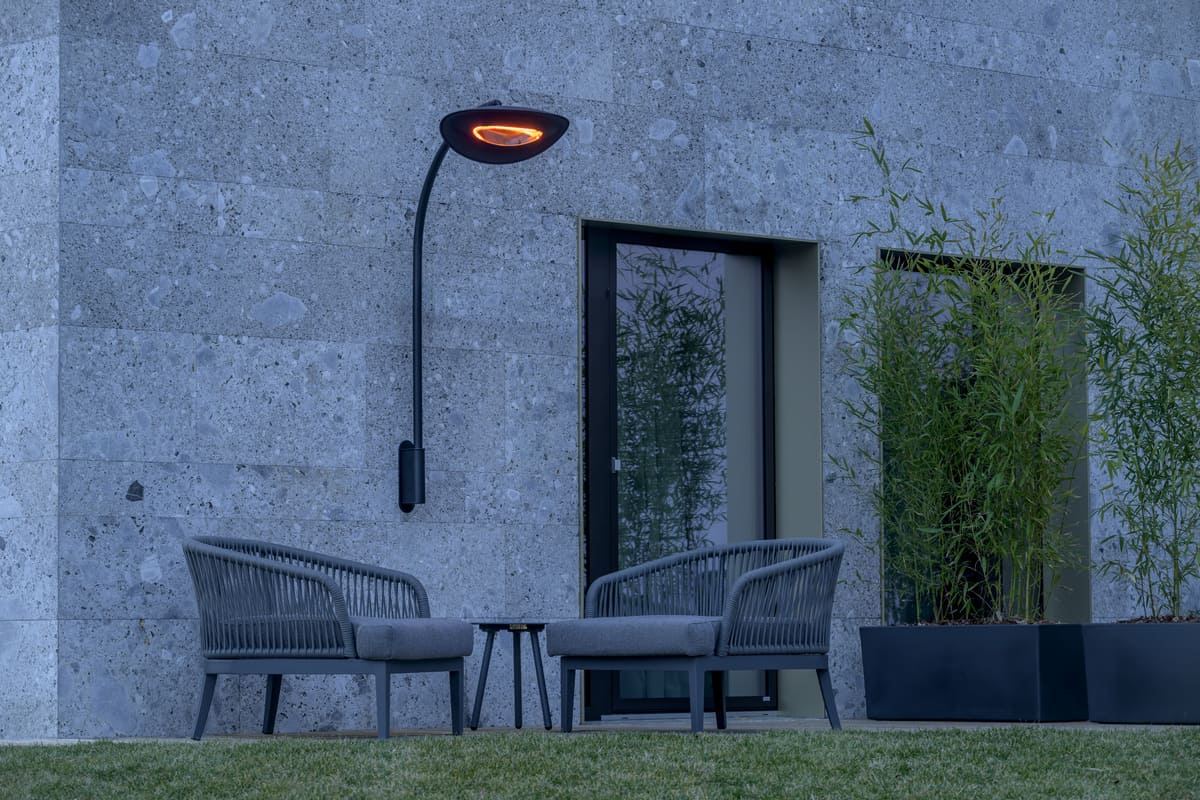
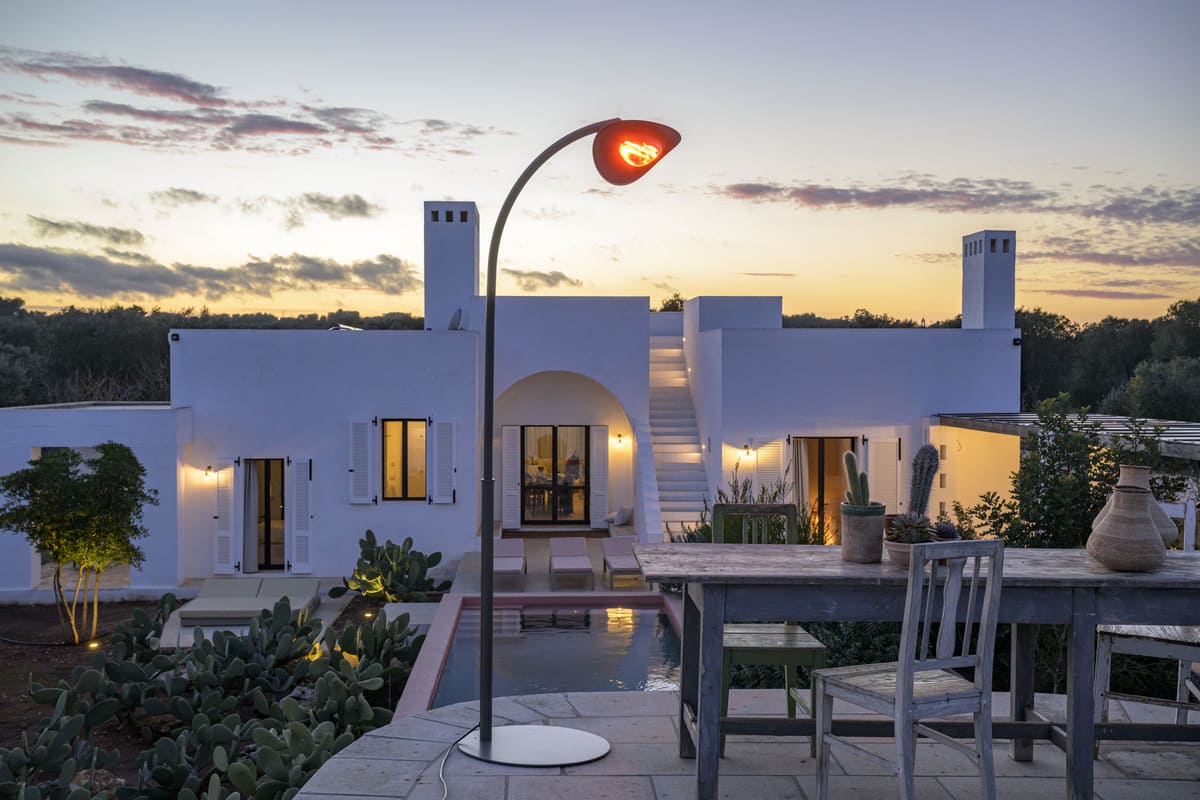
In this scenario, companies like Phormalab have helped transform a functional need into a true design element. Infrared lamps are no longer just technical tools, but become an integral part of the architecture and aesthetic identity of a space, with solutions entirely designed and manufactured in Italy.
Whether for indoor or outdoor environments, private spaces or contract settings, interest in heating lamps is constantly growing. This is because more and more people are looking for alternatives that combine performance, energy efficiency, and aesthetic value, without sacrificing practicality. In this article, we will explore everything there is to know about infrared heating lamps, analyzing the key aspects that make them an increasingly popular and appreciated choice.
How infrared heating lamps work
Infrared heating lamps are based on a completely different operating principle compared to traditional heating systems. Instead of heating the air, these solutions emit infrared radiation that directly transfers heat to surfaces and people within the space. This mechanism is similar to that of the sun’s rays, which warm objects without directly affecting the surrounding air.
The core of the technology is a source that, once activated, generates electromagnetic waves in the infrared range. These waves travel through space until they encounter solid surfaces. Such as walls, floors, furniture, or the human body, which absorb the energy and release it as heat. This process allows for an almost immediate perception of warmth, making heating lamps particularly effective even in open spaces or areas that are difficult to climatize.
Another distinctive aspect is the ability to provide targeted heating. Unlike systems that distribute warm air throughout the entire space, infrared lamps allow heat to be concentrated exactly where it is needed, reducing waste and improving comfort in the areas that are actually in use. This makes them ideal for settings such as terraces, outdoor seating areas, or large spaces with high ceilings.
From a design perspective, companies like Phormalab develop solutions that integrate this advanced technology with particular attention to design and build quality. In this way, technical functionality is combined with refined aesthetics, transforming a simple heating system into an element capable of enhancing the space.
Where to use heating lamps: indoor and outdoor applications
Infrared heating lamps offer remarkable versatility, making them suitable for a wide range of settings, both indoor and outdoor. Their ability to transfer heat directly to people and objects, without needing to warm the entire volume of air, makes them particularly effective in environments where traditional systems may be impractical or costly.
For indoor spaces, the applications are numerous. Living rooms, kitchens, studies, or offices can benefit from discreet and elegant infrared lamps that provide targeted heating to frequently used areas without altering the overall atmosphere of the space. In commercial or professional settings, such as restaurants, beauty centers, medical offices, or waiting rooms, these lamps make it possible to offer immediate comfort to guests or staff, while maintaining a refined design that integrates seamlessly with the interior décor.
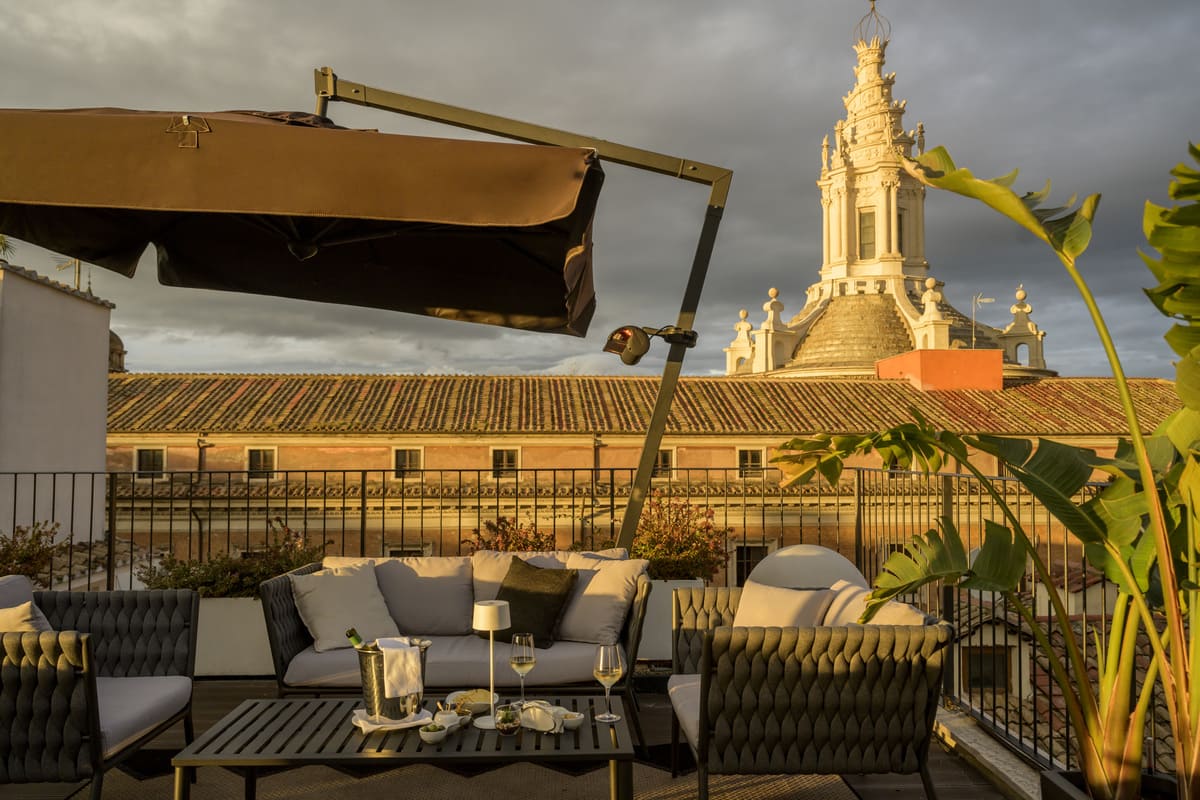
Outdoors, heating lamps become essential for making terraces, balconies, bar and restaurant outdoor seating areas, or open-air entertainment spaces comfortable even during colder months. Thanks to their direct heat emission, they can create pleasantly warm zones without the need to enclose or climatize large open spaces, ensuring energy savings and practicality.
An additional advantage is the possibility of integrating infrared lamps with design solutions specifically tailored to the environment. Companies like Phormalab create lamps that combine advanced technology and style, turning heating into an element of aesthetic enhancement both indoors and in outdoor settings.
Ultimately, infrared heating lamps adapt to any scenario where targeted and immediate heat represents added value. With the right design approach, these lamps become a versatile, practical, and design-oriented solution for every need.
How much infrared heating lamps consume compared to traditional systems
Infrared heating lamps stand out from traditional heating systems also in terms of energy consumption, often proving to be a more efficient and targeted solution. The main difference lies in how heat is generated and distributed. While conventional systems, such as radiators, gas heaters, or heat pumps, warm the air of an entire environment, infrared lamps transfer energy directly to people and objects, reducing heat loss and optimizing energy use.
This targeted approach means that it is often unnecessary to heat the entire space to achieve comfort. Simply directing the lamp toward the areas in use provides an immediate perception of warmth. In large spaces or those with high ceilings, this feature can translate into significant savings, as energy is not wasted heating unoccupied areas.
The actual consumption of an infrared lamp depends on the power of the source and the duration of use. But compared to a traditional system it can be significantly lower, especially when heating small spaces or specific zones. Moreover, many modern lamps, such as those designed by Phormalab, incorporate advanced technologies that allow heat intensity to be adjusted and consumption to be further reduced, without compromising comfort.
Another advantage is the speed of heating: infrared lamps reach the desired temperature instantly, eliminating the long waiting times typical of traditional systems. This results in more efficient energy use, as the lamp can be switched on only when needed. Without having to keep an entire space constantly warm.
Choosing infrared lamps means investing in a technological solution that combines immediate comfort, refined design, and lower energy consumption compared to traditional methods, making them ideal for those seeking efficiency and practicality.
Related Posts
 WhatsApp